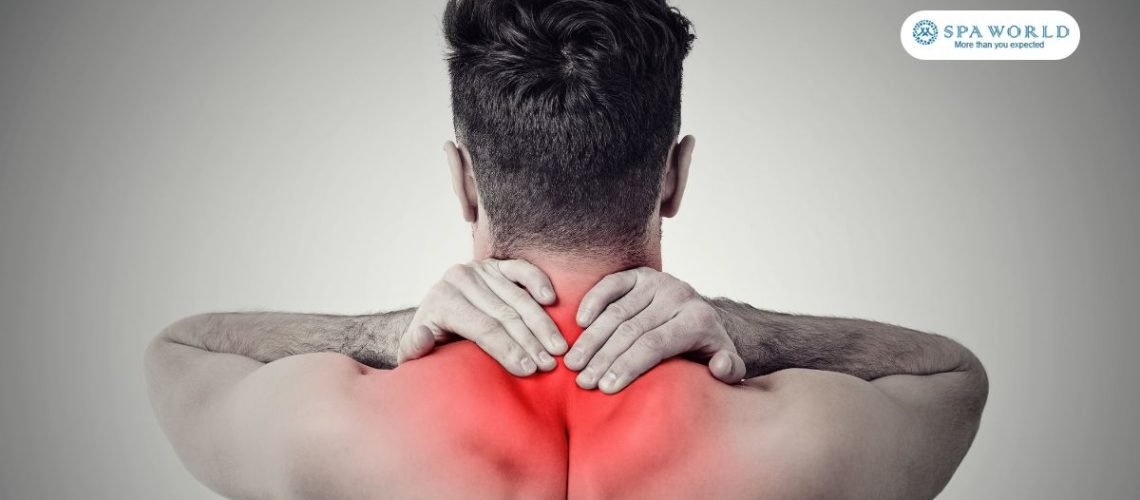
A contraindication refers to a specific situation or condition where massage therapy should be avoided or at least approached with caution. This ensures the safety and well-being of the person receiving the massage.
This blog explores the situations where massage should be avoided to prevent harm. Knowing when to say no to a massage is as crucial as choosing the right type of massage for your health and safety.
Understanding Massage Contraindications
As we have mentioned, contraindications refer to specific situations or medical conditions in which a massage may harm or pose health risks to an individual.
These can range from localized contraindications, which restrict massage to certain areas of the body, to general contraindications, where a massage should be avoided altogether.
Awareness of contraindications is crucial for both therapists and clients to ensure the safety and efficacy of massage treatments. Ignoring these guidelines can lead to exacerbated symptoms or more severe health issues, turning what is meant to be a healing experience into a harmful one.
For therapists, understanding and identifying contraindications is fundamental to practicing responsibly and ethically, while for clients, it is key to protecting their health and achieving the beneficial outcomes they seek from massage therapy.
General Massage Contraindications
Below are key situations where massage may do more harm than good. Read on to find the health reasons behind it and why it’s recommended to stay away from massage.
- Fever or Infectious Diseases
- Recent Surgery or Injury
- Deep Vein Thrombosis (DVT)
- Osteoporosis
- Heart Disease
- Contagious Skin Conditions
- Blood Clotting Disorders
- Varicose Veins
- Severe Inflammation
Infectious Diseases
If you have an infectious condition, like the flu, a cold, or a skin infection, it’s best to avoid massage therapy. Massage can potentially spread the infection, both within your own body and to others, including the therapist. Increased circulation from a massage can also intensify symptoms or accelerate the spread of viruses or bacteria, making the healing process slower and riskier for everyone involved.
Acute Conditions
Massage is not recommended for acute injuries like fractures, burns, or recent surgical sites. These injuries need time to heal, and applying pressure can lead to complications, such as worsening the injury, increased inflammation, or even causing a fracture to displace.
It’s critical to let your body properly recover before resuming or beginning massage therapy to avoid further harm and ensure safe healing.
Specific Health Conditions
Cardiovascular Issues
Certain cardiovascular conditions, such as severe thrombosis (blood clots), phlebitis (vein inflammation), or recent heart attacks, make massage potentially dangerous. The increased circulation that massage promotes could dislodge a blood clot, leading to life-threatening complications like a stroke or pulmonary embolism.
Similarly, for individuals recovering from heart attacks, increased circulation could put undue strain on the heart. It’s essential to consult a doctor before considering massage in these cases.
Skin Conditions
Massage should be avoided if you have skin conditions such as rashes, open wounds, or contagious skin diseases like fungal infections or herpes. Massaging over these areas can worsen the condition, irritate the skin, or spread the infection to other body areas.
Also, contagious skin conditions could easily be transmitted to therapists or other clients if proper hygiene and care are not observed.
Other Medical Conditions
In cases of severe osteoporosis, where bones become fragile, the pressure from a massage could lead to fractures. Similarly, individuals with advanced diabetes might have compromised circulation or nerve damage, making them more susceptible to injury from massage.
Certain types of cancer, particularly those involving metastasis or tumors near vital organs, also pose risks. Massage could stimulate tumor growth or disrupt delicate treatment areas, making it crucial to consult a healthcare provider before undergoing massage therapy.
Pregnancy and Massage
Risks
Massage during pregnancy, especially in the first trimester, requires caution. Some therapists and healthcare providers recommend avoiding massage in the early weeks due to the potential risks associated with increased blood flow and hormonal changes, which could, in rare cases, trigger complications.
Additionally, certain pressure points in the body, particularly around the ankles, can potentially stimulate uterine contractions if not handled correctly.
Guidelines
Massage can be safe and beneficial during pregnancy, but only when practiced with the right precautions. Always choose a therapist trained in prenatal massage, as they understand how to adapt techniques and avoid risky areas. Positions that keep the mother comfortable, like side-lying or using supportive pillows, are key.
It’s crucial to consult with a healthcare provider before starting massage therapy during pregnancy, particularly if there are any complications or high-risk factors involved, to ensure both the mother’s and baby’s safety.
Safe Alternatives to Massage
1. Hydrotherapy
Hydrotherapy utilizes the buoyancy of water to relieve stress on muscles and joints, providing relief without direct pressure. It’s particularly useful for those with conditions that make traditional massage a risk, like osteoporosis or recent physical injuries. The warm water helps to soothe sore muscles and can reduce inflammation, making it a preferred choice for those with arthritis or chronic pain.
2. Aromatherapy or Meditation Rooms
For those unable to undergo massage due to skin conditions or acute injuries, spending time in a meditation room with aromatherapy may help. Essential oils like lavender and chamomile are used to calm and relax, aiding mental and emotional well-being without physical contact. These rooms also offer a quiet space to practice mindfulness or meditation, which can reduce stress levels and improve overall mental health.
3. Infrared Saunas
Infrared saunas offer deep, penetrating heat without the intensity of traditional saunas. This can be beneficial for enhancing circulation and promoting detoxification, suitable for those with certain cardiovascular conditions or sensitive skin. The gentle heat can help to reduce muscle stiffness and pain, providing a comforting experience without the mechanical pressure of a massage.
Spa World Houston offers tailored treatments that suit your health conditions and lifestyle. Free your mind and experience the benefits at reasonable prices without compromising on service quality. We guarantee rewarding sessions with the best amenities for a Korean spa experience.
Conclusion
Understanding the contraindications and recognizing when to avoid massage is critical to ensure safety and health. Alternatives provide viable options for those who cannot partake in traditional massage due to any conditions. These therapies can offer similar benefits – relaxation, pain relief, and improved mental health – without the risks associated with direct massage
Frequently Asked Questions
1. What body parts should not be massaged?
Certain areas of the body should be avoided during massage if there are injuries, inflammation, or conditions such as varicose veins. Areas like the abdomen during pregnancy, broken bones, and open wounds should also not be massaged. It’s crucial to communicate any discomfort or health concerns with your therapist so they can avoid sensitive areas.
2. Who should not get a deep tissue massage?
Deep tissue massage is not recommended for individuals with conditions like severe osteoporosis, blood clotting disorders, or recent injuries such as fractures. Those with chronic pain issues or sensitive conditions should consult their healthcare provider before undergoing deep tissue massage, as it can sometimes exacerbate pain or injury.
3. Is it safe to have a massage during pregnancy?
Massage during pregnancy can be safe, especially when performed by a therapist trained in prenatal massage. However, it is advised to avoid massage during the first trimester and always consult a healthcare provider before proceeding. Special care must be taken to avoid pressure on specific points that may induce contractions, especially in high-risk pregnancies.
4. Is it okay to get a massage if I have a skin condition?
If you have a skin condition like rashes, open wounds, or contagious diseases such as fungal infections or herpes, it’s best to avoid massage. These conditions can worsen with pressure and could spread to other areas of the body or to the therapist. Always consult with a healthcare provider if you are unsure.
5. Are there any risks of getting a massage while taking medication?
Certain medications, such as blood thinners, can make massage risky, as they may cause bruising or bleeding. Pain medications can also dull your sense of discomfort, which could lead to over-pressuring areas that need gentler treatment. Always inform your massage therapist about any medications you’re taking, and consult with your doctor if necessary.